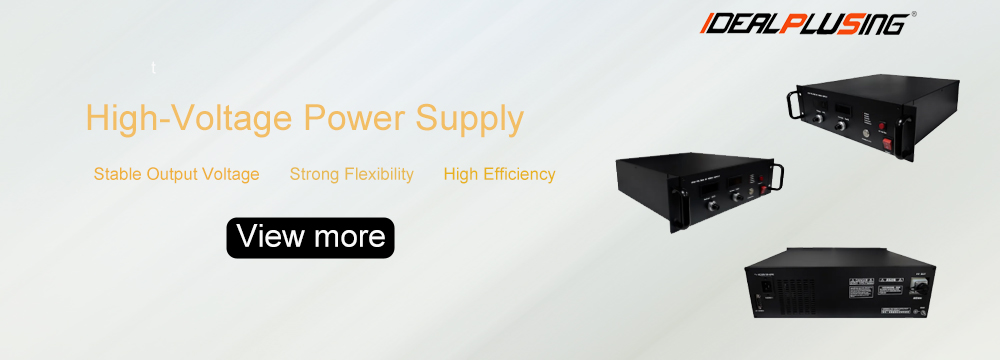
In fields such as industrial testing, medical equipment, and scientific research instruments that have stringent requirements for power supply stability, the performance of high-voltage DC power supplies (hv power supply) directly determines the operational accuracy and reliability of terminal equipment. As a key manufacturing process for core components such as transformers and inductors inside high-voltage DC power supplies, the precision of the winding process is the core to ensure the stable output of the power supply. Compared with the well-known machine automated winding, some niche and refined winding technologies are playing an irreplaceable role in the field of high-voltage DC power supplies.
1. Vacuum Environment Layered Dense Winding Technology
Traditional winding processes are often carried out in atmospheric pressure environments. The wires are easily affected by factors such as air humidity and dust, resulting in slight deviations in the arrangement of the wires during the winding process, which in turn affects the consistency of the inductance value of the components. The vacuum environment layered dense winding technology takes a different approach and carries out the winding process in a vacuum chamber. This technology achieves nanoscale precise control of the winding tension, allowing each turn of the wire to closely adhere to the substrate. At the same time, it adopts a layered isolation method, laying an ultra-thin insulating film between adjacent layers of wires. This process not only avoids electromagnetic losses caused by air gaps under normal pressure but also effectively reduces the distributed capacitance between the wires, reducing partial discharge phenomena under high-voltage operating conditions. For high-voltage DC power supplies with an output voltage ranging from 8kV to 30kV, the voltage ripple coefficient of transformers wound using this technology can be controlled below 0.1%, greatly improving the stability of the power supply output.
2. Heat-Setting Stress Relief Winding Technology
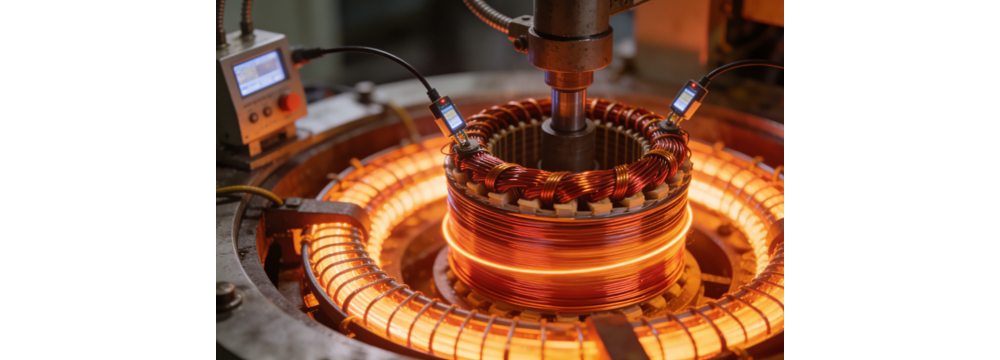
During the long-term operation of high-voltage DC power supplies, internal components will undergo thermal expansion and contraction effects due to temperature changes. The residual stress generated during winding will be gradually released, which will lead to coil deformation and inductance drift, and ultimately affect the output accuracy of the power supply. The heat-setting stress relief winding technology solves this pain point in a targeted manner. It heats the wire at a low temperature synchronously during the winding process, with the temperature precisely controlled below the softening critical point of the wire insulation layer. At the same time, it coordinates with a slow winding speed, allowing the wire to complete the initial release of stress during winding. After the winding is completed, the coil is subjected to constant temperature and pressure aging treatment to further eliminate residual stress. The inductance components processed by this process can control the inductance change rate within ±0.5% in the wide temperature range of -40℃ to 125℃, ensuring the stable output of high-voltage DC power supplies in extreme environments.
3. Laser-Calibrated Spiral Helical Winding Technology
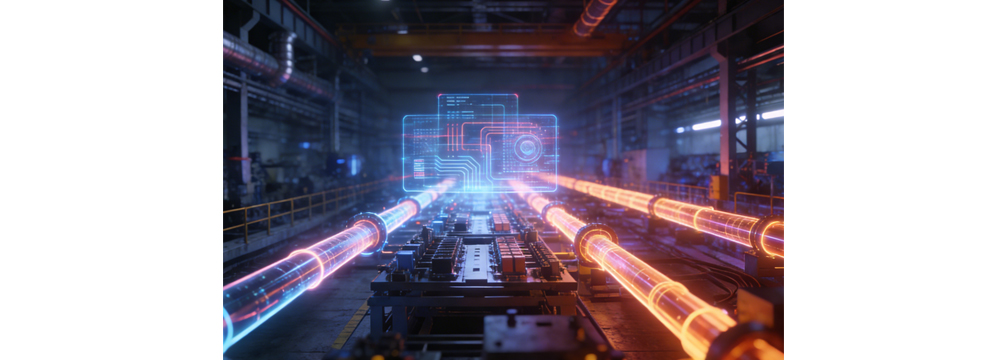
In the high-frequency inverter module of high-voltage DC power supplies, the traditional parallel winding method is prone to generate large electromagnetic interference, affecting the voltage regulation accuracy of the power supply. The laser-calibrated spiral helical winding technology is a niche high-precision winding solution. It uses a laser ranging sensor to monitor the position of the wire in real-time, adjusts the winding angle through a servo motor, and enables the wire to be wound obliquely at a specific spiral angle. This winding method can optimize the magnetic field distribution of the coil, reduce electromagnetic coupling interference between adjacent coils, and improve the heat dissipation performance of the coil. The Q factor (quality factor) of high-frequency inductors wound using this technology can be increased by more than 20%, allowing high-voltage DC power supplies to maintain a stable output voltage even under high-frequency operating conditions, meeting the power supply requirements of precision testing systems.
These niche precision winding technologies, although seemingly complex in process and high in cost, can fundamentally solve the pain points of high-voltage DC power supplies in terms of stability. As the requirements of high-end manufacturing for hv power supply continue to increase, these refined winding processes are gradually becoming the core competitiveness of high-end high-voltage DC power supply products.
Share our interesting knowledge and stories on social media