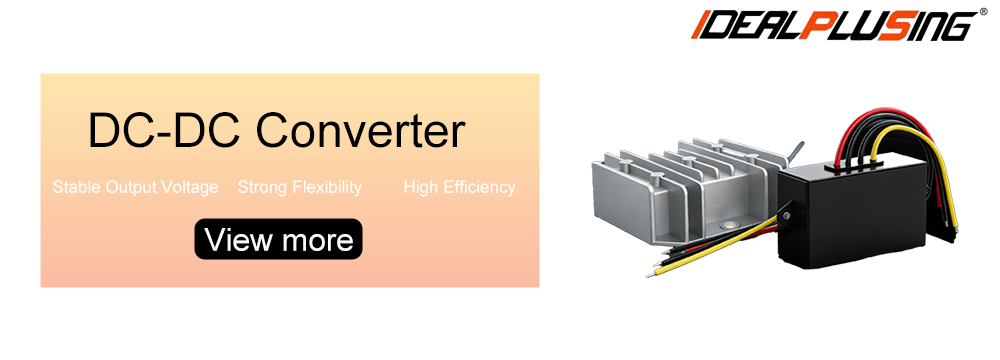
Understanding DC-DC Power Supplies A DC-DC power supply circuit, also known as a DC-DC converter circuit, primarily functions to convert input and output voltages. Generally, the voltage conversion process for input power supplies below 72V is called DC-DC conversion.
Common power supplies are mainly divided into automotive and communication series and general industrial and consumer series.The former typically uses voltages like 48V, 36V, or 24V, while the latter generally uses voltages below 24V. Different applications use different common voltages
Understanding DC-DC Power Supplies A DC-DC power supply circuit, also known as a DC-DC converter circuit, primarily functions to convert input and output voltages. Generally, the voltage conversion process for input power supplies below 72V is called DC-DC conversion.
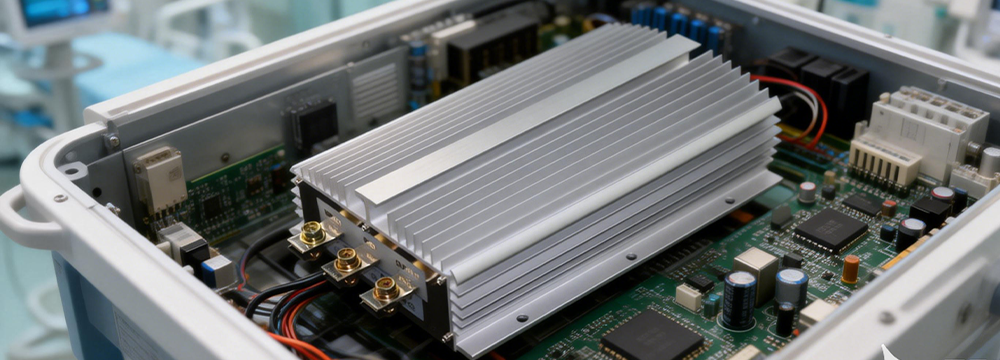
When we talk about communication systems people sometimes refer to it as a power supply. This secondary power supply gets a current voltage from a main power supply or a direct current battery pack. Then it converts this voltage. We get one or more direct current voltages at the other end. The secondary power supply is really important, in communication systems because it helps us get the voltage. The process of getting the voltage is called DC-DC conversion. In this process the secondary power supply takes the current voltage from the main power supply or the direct current battery pack and converts it into the voltage we need for communication systems.
The main kinds of DC-DC conversion circuits are put into three groups.
DC-DC conversion circuits are mainly divided into these groups.
We have DC-DC conversion circuits that are classified into three types:
* The first kind of DC-DC conversion circuits
* The second kind of DC-DC conversion circuits
* The third kind of DC-DC conversion circuits.
These are the categories of DC-DC conversion circuits.
① Zener diode voltage regulator circuits.
② Linear (analog) voltage regulator circuits.
③ Switching voltage regulator circuits.
In communication systems, it’s also known as a secondary power supply. It takes DC input voltage from a primary power supply or DC battery pack, then goes through DC-DC conversion to output one or more DC voltages.
Types of DC-DC Conversion Circuits
DC-DC conversion circuits mainly fall into three main types:
① Zener diode regulator circuits
② Linear (analog) voltage regulator circuits
③ Switching voltage regulator circuits.
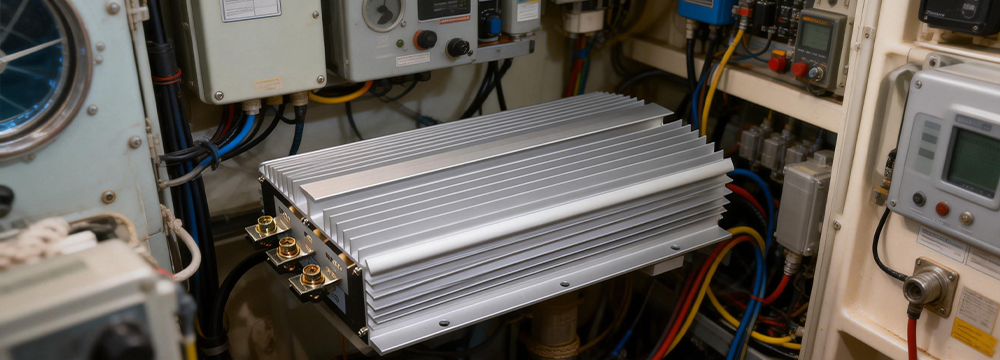
It categorizes common DC-DC power supplies into two major series: the automotive and communication series (usually adopting 24V, 36V or 48V) and the general industrial and consumer series (commonly using voltages below 24V, such as 12V, 5V and 3.3V applied in computers).
In communication systems, secondary power supplies are exactly what DC-DC converters function as. From primary power supplies or battery packs do they draw DC input, and after undergoing conversion, one or more DC output voltages are generated.
To summarize, DC-DC power supplies stand as the core component for voltage conversion across a wide array of scenarios, bridging the disparity between the varying voltage demands of different devices. Clear as their classification is by application scenarios and circuit types, it enables engineers and enthusiasts to choose suitable products in an efficient manner. As electronic devices keep advancing toward miniaturization and high efficiency, DC-DC power supplies will surely evolve with more refined performance. An increasingly crucial role will they play in fields such as automotive electronics, communication systems, industrial control, and consumer electronics.
Share our interesting knowledge and stories on social media