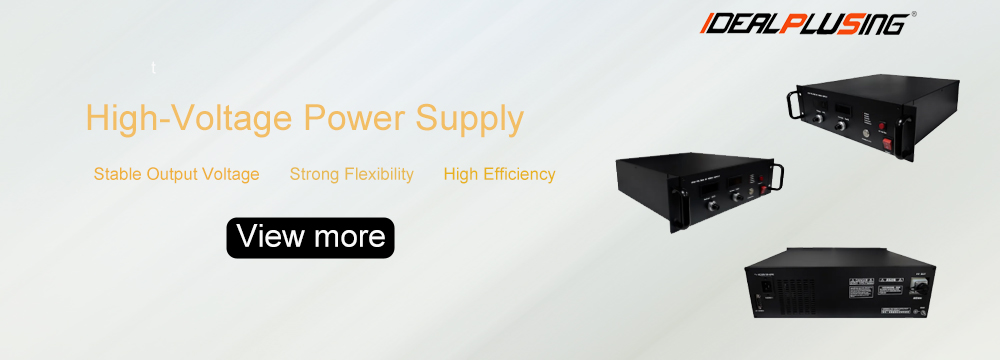
During the operation of high-voltage power supplies, corona discharge is an easily overlooked but highly destructive hazard. This partial discharge not only generates ozone and corrodes components but also consumes electrical energy, interferes with the normal operation of surrounding electronic equipment, and may even break down the insulation structure and cause equipment failure in severe cases. Compared with the well-known anti-corona measures such as structural optimization and voltage regulation, the precise adaptation of material selection can often inhibit the generation of corona from the source. This article will focus on 3 niche but efficient material selection strategies, combined with the working characteristics of high-voltage power supplies, to explain how to reduce the risk of corona discharge through material adaptation.
1. Insulation Substrates: Prioritize Modified Ceramic-Based Materials with Low Porosity
The insulation structure of high-voltage power supplies is the first line of defense against corona, and the porosity of the insulation substrate directly determines the incidence of corona discharge. Traditional epoxy resin substrates are low-cost and easy to form, but in high-voltage environments, the tiny pores inside the substrate are likely to become electric field concentration points, thereby triggering partial discharge. Compared with the popular epoxy resin modification schemes, the application of low-porosity modified ceramic-based materials has more niche advantages.
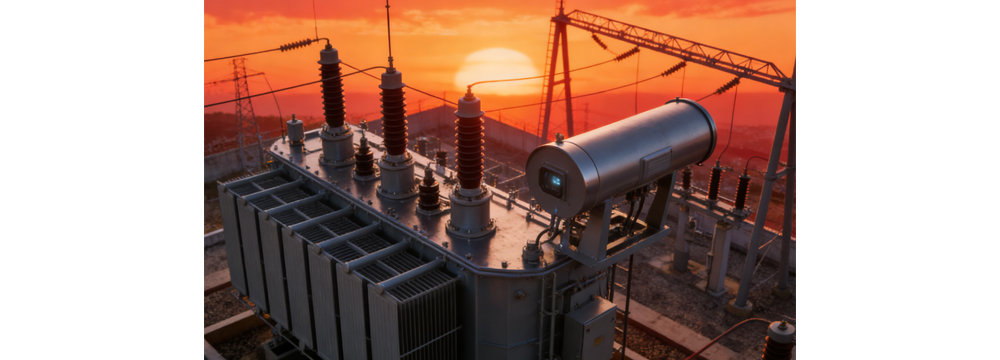
This type of material uses alumina ceramics as the base, optimizes the sintering process by adding dopants such as yttrium oxide and magnesium oxide, controls the porosity below 0.5%, and improves the dielectric strength of the material to more than 20kV/mm. In the core parts of high-voltage power supplies such as winding supports and electrode insulation, modified ceramic-based materials can effectively avoid corona generated by air ionization in pores. In addition, the material's temperature resistance can reach above 150℃, which is suitable for the high-temperature environment of long-term operation of high-voltage power supplies, and has strong chemical stability, so it will not age and degrade due to ozone generated by corona. It should be noted that when selecting, focus on the surface roughness of the material, which is recommended to be controlled at Ra≤0.8μm to avoid surface protrusions forming electric field tips and further reduce the probability of corona triggering.
2. Electrode Materials: Adopt Copper Alloys Modified with Diamond-Like Carbon Coatings
Electrodes are the areas with the highest electric field strength in high-voltage power supplies and the main source of corona discharge. Traditional pure copper electrodes have excellent conductivity, but the surface is prone to oxidation to form copper oxide, leading to uneven surface electric field distribution and accelerating corona generation. At present, the popular silver-plated electrodes in the industry can improve conductivity, but they are high-cost and the coating is easy to wear, resulting in poor long-term reliability. Compared with these two schemes, copper alloy electrodes modified with diamond-like carbon (DLC) coatings have more niche cost-effectiveness.
Choose oxygen-free copper with a copper content of more than 99.5% as the base, and prepare a 2-5μm thick diamond-like carbon coating on the surface through plasma-enhanced chemical vapor deposition technology. The coating has extremely high surface flatness and excellent conductivity, which can make the electric field on the electrode surface evenly distributed and avoid local electric field strength being too high to break down the air. At the same time, the hardness of the diamond-like carbon coating can reach above HV1500, which is wear-resistant and corrosion-resistant, and can effectively resist particle bombardment generated by corona discharge, extending the service life of the electrode. In actual selection, it is necessary to ensure that the bonding force between the coating and the copper alloy base is ≥30MPa to avoid secondary corona risks caused by coating peeling off during long-term high-voltage operation.
3. Encapsulation and Filling Materials: Select Nano-Scale Magnesium Hydroxide Modified Silicone Rubber
The encapsulation and filling materials of high-voltage power supplies are responsible for filling the gaps between components, avoiding air gaps forming electric field concentration areas, and are key auxiliary materials for inhibiting corona discharge. Traditional ordinary silicone rubber filling materials have good insulation performance, but under the synergistic effect of high voltage and high temperature, they are prone to aging and cracking, leading to air entering and forming discharge channels. Compared with the popular epoxy resin potting compounds, nano-scale magnesium hydroxide modified silicone rubber is a more niche and adaptable choice.
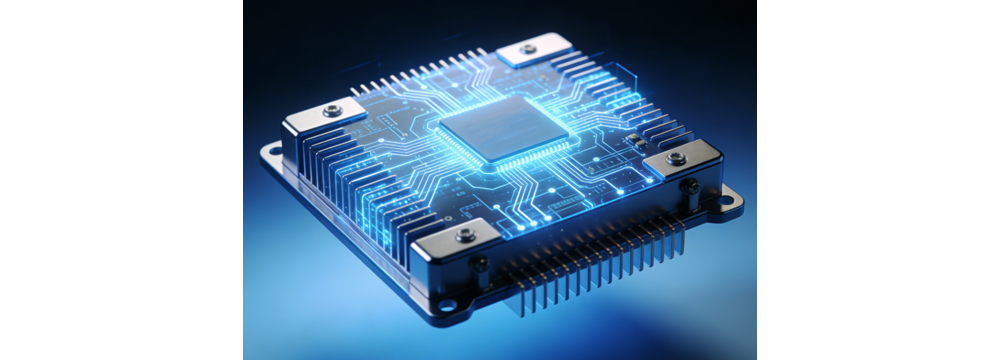
This type of material uses methyl vinyl silicone rubber as the matrix, and adds nano-scale magnesium hydroxide powder (particle size 50-100nm) modified by silane coupling agent, with a filling amount controlled at 30%-40%. Nano-scale magnesium hydroxide can not only improve the dielectric strength of the material (up to 18kV/mm) but also disperse the locally concentrated electric field through the "micro-electric field shielding" effect, inhibiting the generation of corona from the source. At the same time, the material has excellent flexibility and aging resistance, and can still maintain good mechanical properties when operating at 120℃ for a long time without cracking and peeling. In addition, its flame retardant grade can reach UL94 V-0, which can effectively reduce the fire risk possibly caused by corona discharge. When selecting, focus on the dielectric loss tangent value of the material, which is recommended to be controlled at tanδ≤0.002 (1kHz) to avoid excessive material heating and accelerated aging due to excessive dielectric loss.
4. Core Adaptation Principles for Material Selection
Material selection to reduce corona discharge in high-voltage power supplies is not a simple stacking of single material properties, but needs to follow the core principles of "electric field adaptation + environment adaptation + life adaptation". In terms of electric field adaptation, it is necessary to select materials with matching dielectric strength according to the rated voltage of the power supply to avoid insufficient or excessive redundancy of material dielectric strength; in terms of environment adaptation, it is necessary to select materials with suitable temperature resistance and moisture resistance combined with the operating temperature, humidity and other environmental parameters of the power supply; in terms of life adaptation, it is necessary to prioritize materials that are anti-aging and resistant to corona erosion to ensure that the material service life matches the overall service life of the power supply.
Compared with popular structural optimization schemes, material selection strategies have more advantages in source control. Although the above niche material schemes have a low application rate in the industry, they can effectively reduce the risk of corona discharge with their excellent adaptability and reliability. In practical applications, the above material schemes can be selected according to the specific model and operating conditions of the high-voltage power supply to achieve precise suppression of corona discharge.
Share our interesting knowledge and stories on social media