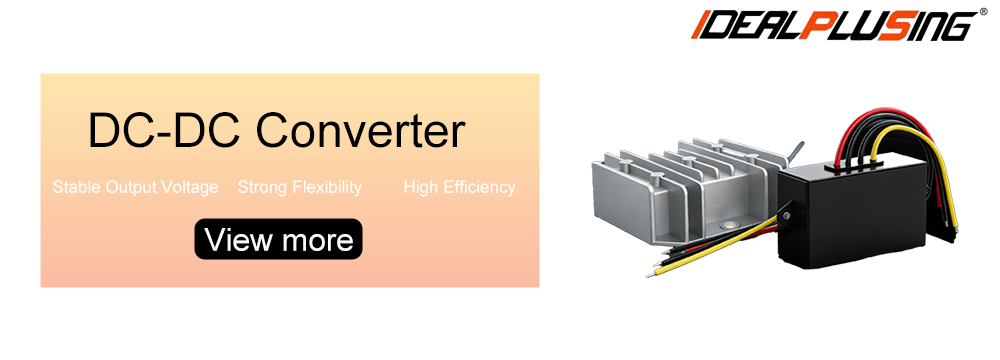
With the increasing maturity of power management chip technology, continuous advancements in semiconductor technology, and the growing intelligence of electronic design software, portable products are becoming increasingly powerful. For DC-DC converter, the future development trends mainly include:
1. Higher integration. Power chips, especially switching power supply chips, now combine with other chips to offer multiple circuit functions, simplifying peripheral circuit design and streamlining soldering and wiring. For multi-functional, multi-output DC/DC converters, the internal circuitry needs to be more robust in terms of interference immunity.
2. High-load applications. From low-power portable devices to new charging devices, the load current of converters is increasing daily.
3. Plannable internal control systems. Traditional IC design focuses on power delivery, which is insufficient for controlling system power efficiency. This requires circuits to accurately measure battery power, determine operating modes based on input voltage, and deactivate unnecessary modules to rationally allocate power supply.
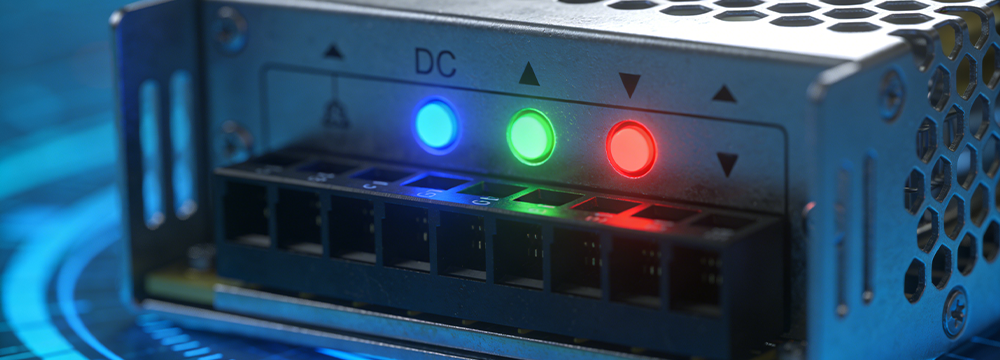
4. Multi-output functionality of switching power supplies is a key goal. Many electrical appliances have different power supply requirements, necessitating various voltage values. Switching power supplies with multiple outputs, independent switching, and good stability are gradually becoming the mainstream power management chips of the future.
5. Cost minimization. Portable devices have gradually become necessities. Devices with the same functionality are becoming increasingly smaller, and each consumer electronic device requires one or more DC/DC converters. Reducing the cost of each DC-DC converter while maintaining performance is crucial.
6. Increasing frequency variation range during DC-DC operation. In the overall circuit, PCB costs are largely reflected in board area and peripheral components. As the operating frequency increases, lower-cost peripheral components such as inductors, capacitors, and transformers can be selected, thereby reducing output ripple, suppressing interference, and increasing the unit gain bandwidth to improve anti-interference capabilities.
7. Improving DC-DC efficiency and lifespan. With lithium battery development reaching its bottleneck, the battery capacity per unit volume is fixed. Therefore, improving operating efficiency and extending battery life have become key factors driving the development of power management. In portable devices, power management technology should not only reduce its own operating losses but also minimize unnecessary battery energy waste and allocate as much energy as possible to the effective load.
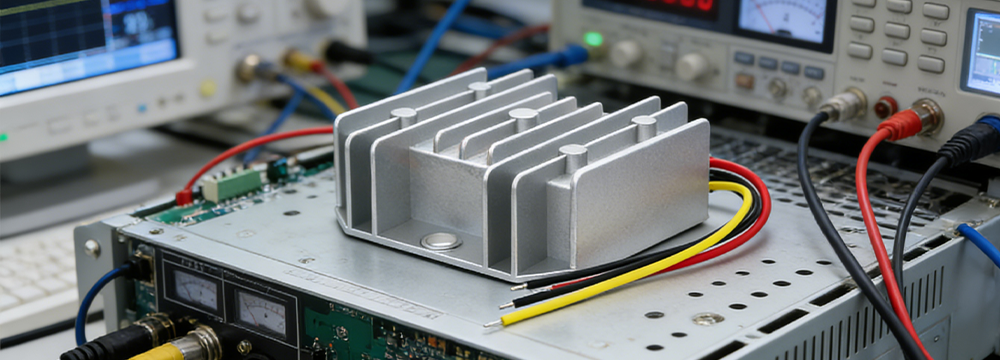
Driven by advanced technologies and the growing demand for electronic products, DC/DC converters will evolve towards higher integration, multiple outputs, intelligent control, and cost-effectiveness, while also requiring a focus on improving load capacity, frequency adaptability, efficiency, and lifespan.
Share our interesting knowledge and stories on social media