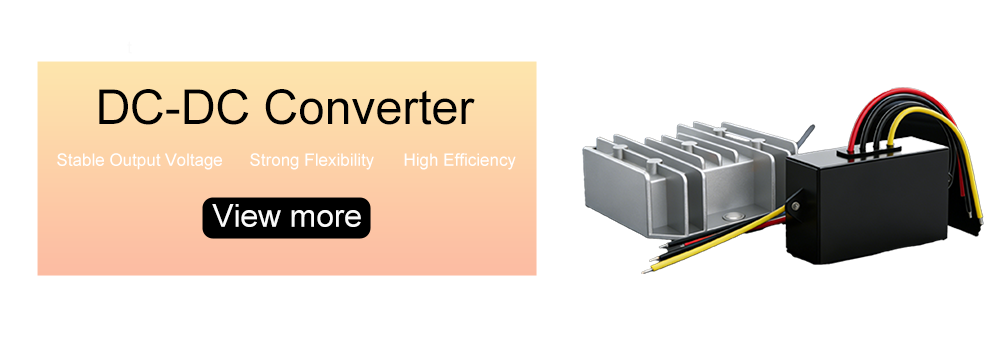
Renewable energy is changing fast. One of the ways to get power without using the grid is by using photovoltaic energy storage systems. These systems are great for making sure we have power in a way that's good, for the earth. People often talk about panels and battery packs.. There is something else that is very important for these systems to work well: the DC-DC converter. This thing helps panels and battery packs work together smoothly. Photovoltaic energy storage systems need the DC-DC converter to be reliable and work efficiently. The DC-DC converter is like the heart of the system. It does an important job managing energy flow for the DC-DC converter. The DC-DC converter also helps optimize performance and fix some problems in modern renewable energy systems. The DC-DC converter is really good, at what it does.
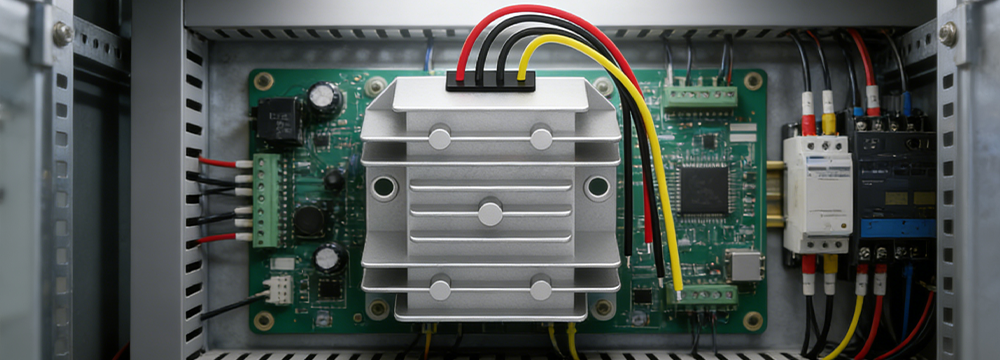
1.The Central Role of DC-DC Converters in PV Storage Systems
A typical solar panel system has three parts: making energy from the sun storing energy in batteries and using energy for things that need power or sending it to the grid. The converters that change the energy from one kind to another are really important because they connect these parts together and do important jobs, for the solar panel system.
Maximum Power Point Tracking (MPPT):
Solar panels work best at a voltage and current. This is the point where they make the power.. This point is not always the same. It changes when the sunlight is stronger or weaker or when the temperature is higher or lower or when the panels get old.
MPPT DC-DC converters help with this problem. They change how energy they take from the solar panels so that the panels always work at their best point. This means we can get up to 30 percent energy from the solar panels.
Solar panels and these converters are a team. This is the most important step to getting the most energy, from the solar panels.
Voltage Matching and Regulation
Solar panel arrays, battery banks (e.g., 48V, 400V, or higher), and inverter DC buses hardly ever share the same voltage. DC-DC converters are the solution to bridge these gaps.They can boost the panel voltage to charge high-voltage batteries. Or they can buck the battery voltage to power low-voltage auxiliary systems.
Bidirectional Energy Flow Management
In advanced setups, bidirectional DC-DC converters are indispensable. They work like smart energy valves for two-way power transfer.In one direction, they funnel solar energy into batteries efficiently for storage. In the reverse direction, they control battery discharge to power homes or feed the grid.What’s more, they maintain precise voltage and current control at all times. This protects battery health and extends its service life.
Galvanic Isolation for Safety
Isolated DC-DC converters are widely used in high-power systems. They create a critical safety barrier between components.This barrier separates the high-voltage DC bus from batteries and control circuits. It prevents fault spread, shields maintenance staff, and eliminates harmful ground loops.These loops, if left unchecked, could damage equipment or lead to measurement errors.
2.The Critical Challenges Facing DC-DC Converters
To be the reliable "heart" of the system, DC-DC converters in PV storage applications must overcome a unique set of harsh and demanding challenges:
Unforgiving Electrical Stresses
The input is not a clean lab bench supply. It comes from solar panels, which can produce high-voltage spikes (lightning-induced surges), rapid transients from cloud cover, and a very wide input voltage range (e.g., 100V-1000V). Converters must have exceptional input transient protection and maintain high efficiency across this entire range.
Demanding Efficiency and Thermal Management
Every time we lose one percentage point of efficiency we waste some of the energy and generate extra heat. When we put something in a sealed box and leave it in the sun the heat is really bad for how it lasts. The converters have to be very good at what they do so they need to work at 97 to 99 percent efficiency. They also have to be designed to cool down without using any extra power or they have to be able to control the air that moves around them. Having efficiency is not just about saving energy it is also, about making sure the system does not get too hot and that it works when we need it to. This is important for the solar energy system to be reliable.
Longevity and Reliability (The Ultimate Test)
A solar panel system is a long term investment that can last for twenty to twenty five years. The DC to DC converter in a panel system must also last for twenty to twenty five years. This means that the DC to DC converter in a panel system has to be very durable and it demands:
* the solar panel system and the DC to DC converter have to be made to last
* the DC to DC converter has to be able to work for a very long time
* the solar panel system and the DC, to DC converter have to be able to withstand many different types of weather and conditions over the twenty to twenty five year period.
Electromagnetic Compatibility (EMC)
A converter should not make noise that gets in the way of equipment inside the inverter. We have to follow rules like CISPR 11 and 32 for things that send out signals and for things that can handle signals. Following these rules is very important if we want to get a certificate, for the system. The converter and the inverter have to work together so we need to make sure the converter does not send out bad signals that can interfere with the inverter and other sensitive communication and monitoring equipment.
3.The Future: Smarter, Denser, and More Integrated
The development of DC-DC converters in this field is driven by three things:
* One thing is that people want them to be more efficient
* Another thing is that people want them to be smaller
* The third thing is that people want DC-DC converters to be able to do things.
The main trends driving the development of DC-DC converters are really important, to the development of DC-DC converters.
Digitalization and Intelligence is really changing things. Converters are not just converters anymore. They are like communication nodes now. They give system controllers real-time information about how they're performing if they are healthy and how efficient they are. This information helps a lot. It lets us do maintenance before something breaks down. It also helps us manage energy in a detailed way. Digitalization and Intelligence is making Converters very useful. They are helping us to do things better. We can use Converters to make sure everything runs smoothly. We do not waste energy. Digitalization and Intelligence is making a difference, with Converters.
Module-Level Integration is really important. It is about making the most of the energy we get from each panel. We do this by using microinverters and power optimizers. These things help convert the energy from the panel to something we can use. They are placed at the panel so we get the most energy possible from each one. This is especially helpful when the panels are shaded or not working together. Module-Level Integration helps each solar panel work at its best even when some of them are not getting much sunlight as the others. This way we get the energy, from our solar panels. Module-Level Integration is a way to make solar energy better.
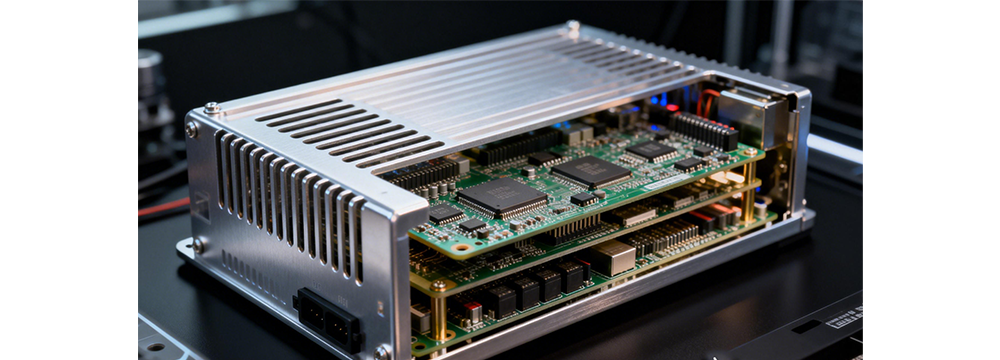
The DC-DC converter is far more than a simple voltage translator; it is the intelligent, resilient, and efficient core of a modern photovoltaic energy storage system. It is responsible for harvesting every possible watt-hour from the sun, managing the lifeblood of energy into and out of storage, and ensuring the entire system operates safely for decades.As the renewable energy sector continues its rapid growth, the innovations in DC-DC converter technology—aimed at conquering challenges of efficiency, reliability, and density—will remain absolutely central to powering a more sustainable future. Choosing the right "heart" for your system is not a component decision; it is a system-level commitment to performance and longevity.
Share our interesting knowledge and stories on social media