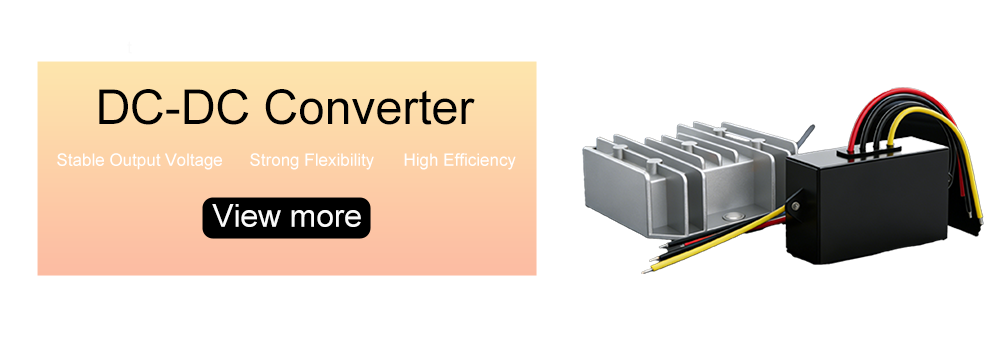
The DC-DC converter plays a vital role in the intricate field of power electronics.Isolation, efficiency, and reliability are the three core pillars among numerous standards for evaluating the performance of DC-DC converters. Today's converters, whether applied to industrial automation, renewable energy systems, consumer electronics, or automotive platforms, all shoulder the critical task of providing stable and precisely regulated power to equipment. They must achieve this goal under increasingly stringent performance standards.They form the core foundation that dictates a converter’s suitability for mission-critical applications. They also determine its long-term cost efficiency and its capacity to sustain consistent operation over its lifespan. This article explores the significance of these three factors, how they influence one another, and the combined effect they exert on the overall effectiveness of contemporary DC-DC converters.
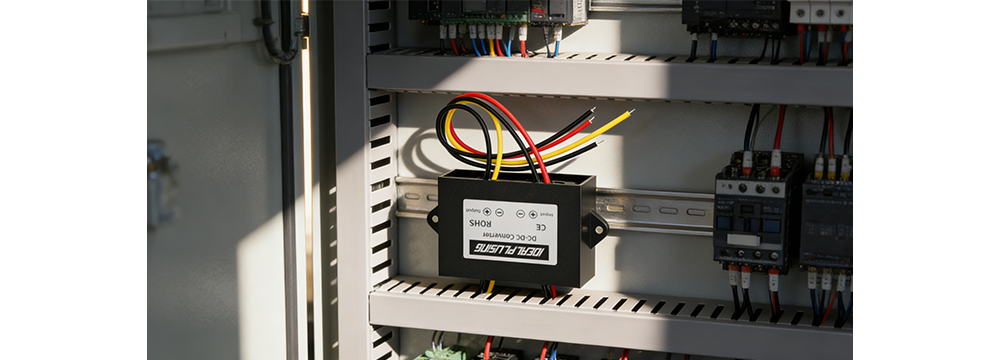
Isolation: Safeguarding Operations, Cutting Noise, and Securing System Integrity
Isolation, in the context of DC-DC converters, denotes the electrical segregation between input and output circuits. Direct current flow is blocked outright, yet power transmission remains feasible—achieved via induction, capacitance, optocoupling, and other such techniques. This design choice seems simple.. It has a big impact on safety and system stability. It also helps with noise resistance. The design choice is actually very important, for these things.
Safety is the important thing. We need to think about systems that have voltage and low voltage parts. The high voltage and low voltage parts need to be separate. Isolation is like a wall that keeps them apart. It stops things from happening if there is a problem with the electricity. It prevents currents from getting to parts that people might touch. This makes it safer for people. It also follows the safety rules that everyone agrees on. Isolation is really important for safety. It helps keep people from getting shocked by electricity. Safety rules from around the world say we need to have isolation, in these systems.
Isolation is really important for safety. It is also very important for keeping noise out and making sure the signal is good. Electrical systems can be easily affected by forces like electromagnetic interference and ground loops. These things can really mess up the signals make the system work badly and sometimes even cause the whole system to stop working. Isolation helps to reduce noise and preserve signal integrity, which's crucial, for electrical systems.
By isolating input and output grounds, isolated DC-DC converters effectively eliminate ground loop issues.
Isolation is something that can be done in ways but the most common way to do it these days is by using transformers. When we are talking about transformer-based isolation the materials used for the transformer core and the way the wires are wound around it can really affect how big and heavy the converter is and how power it can handle. These things are really important when you do not have a lot of space to work with like in a lot of applications where space is very limited. Transformer-based isolation is still the way to go for people and the choice of transformer core materials and winding designs is crucial, for the converters size, weight and power density, which are all important things to consider.
For low-risk, low-power scenarios—small consumer electronics, for example—non-isolated converters may present advantages in terms of both cost and size.
Efficiency: Driving Cost Cuts, Enhancing Thermal Control, and Boosting Sustainability
Efficiency is defined as the ratio of a DC-DC converter’s output power to its input power. In today’s age, where energy conservation and sustainable development are paramount, this metric has grown increasingly critical. Even modest gains in efficiency can translate into substantial cost savings. They also reduce thermal stress and shrink the environmental footprint of the converter. For both designers and end-users, efficiency thus becomes a top priority.
The most direct impact of improved efficiency is reduced energy costs. In industrial environments, power electronics equipment operates around the clock. High-efficiency DC-DC converters are crucial for these power electronics facilities. They help reduce operating costs and meet energy efficiency targets, ensuring that a larger proportion of generated power is delivered to the grid or stored in batteries.
Closely tied to thermal management is efficiency. Energy lost in the converter is released as heat. Lower efficiency translates to more heat generation. Excessive heat takes a toll on component performance, shortening their lifespan. It also calls for additional cooling solutions—heat sinks, fans, and liquid cooling among them. These solutions add to the system’s size, weight, and cost. Take EVs as an illustration: space and weight are at a premium in these vehicles. A highly efficient DC-DC converter is used here to step down the high-voltage battery power for the 12V auxiliary system. Such a converter generates less heat. Bulky cooling systems thus become unnecessary, freeing up space for other components. In portable electronics like smartphones and laptops, efficient converters are equally valuable. They minimize power loss, which in turn extends battery life—a feature critical to user experience.
A range of technologies are leveraged in modern converter designs to boost efficiency. Synchronous rectification is one such technology. It replaces traditional diode rectifiers with MOSFETs—metal-oxide-semiconductor field-effect transistors. This swap reduces voltage drop and power loss during the rectification process. Advanced control topologies, such as LLC resonant converters, are another.
They enable operation at higher switching frequencies while keeping switching losses to a minimum. Wide-bandgap semiconductors have driven innovation in DC-DC converters. Compared to traditional silicon devices, they offer lower resistance, faster switching speeds, and higher temperature tolerance.
Reliability is about how the converter works over a long time
This is really important in things like aerospace and medical equipment. If something fails in these areas it can be very bad. In normal situations when something breaks it can stop everything from working and cost a lot of money. To make sure the converter is reliable the parts need to be good and able to work in different environments. Some parts, like capacitors do not last forever because the liquid inside them slowly disappears. Using solid-state capacitors or keeping the converter cool can help it work longer without breaking down. Reliability of the converter is crucial. This is why component quality. How well it adapts to the environment are so important, to the reliability of the converter. Converters have to be really tough in some situations. They need to work when it is very cold or very hot from -40°C to 125°C. They also have to deal with vibration and chemical corrosion. Industrial environments are pretty rough on converters too. There is dust and it is very humid. The power grid is not always stable either.
So converters need to be designed to be strong. They need to have parts that can handle temperatures. The components, on the circuit boards need to be protected from moisture. Converters also need to be protected from much voltage and current. Some converters even have systems that watch for problems and give warnings if something is going wrong with the converters.
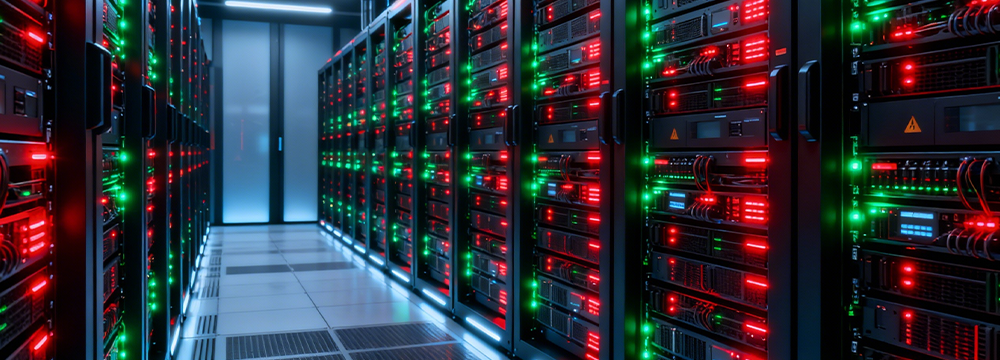
Isolation, efficiency, and reliability are the three core pillars of modern converters
Isolation ensures safety and signal stability, efficiency contributes to energy saving and cost reduction, and reliability minimizes downtime and guarantees critical operations. Technological advancements such as silicon carbide have made it possible to optimize all three simultaneously. When choosing a DC-DC converter, these three factors should be prioritized to ensure the selected product provides both immediate power supply and long-term value.
Share our interesting knowledge and stories on social media